EMI Shielding Window Size Limits
01 — What is the problem?
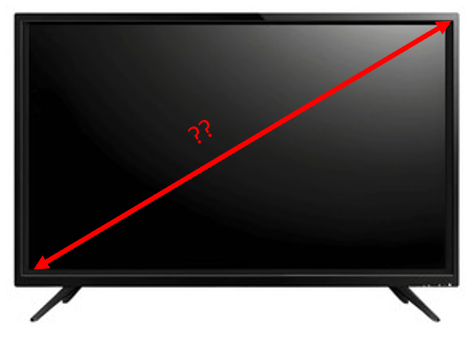
A common assumption in EMI shielding design is that transparent shielding windows can be manufactured in any size. In reality, the maximum achievable dimensions depend on the type of EMI shielding film used, the integration method (lamination or autoclave), and the constraints of clean room manufacturing equipment. Ignoring these limitations can lead to costly late-stage redesigns.
02 — Why does it happen?
- Clean room lamination equipment has fixed maximum dimensions, physically limiting the size of laminated shielding films.
- Different shielding film technologies (Cu mesh, ITO, etc.) have varying maximum roll widths and handling properties.
- Lamination processes require precise pressure and temperature uniformity, which becomes harder to maintain over large areas.
- Autoclave integration with EVA or PVB interlayers allows larger sizes but introduces its own process constraints and costs.
03 — Consequences
- Late discovery of size limitations forces redesign of the enclosure or window layout.
- Project delays when the chosen film type cannot meet the required dimensions.
- Increased costs due to switching integration methods or splitting windows into multiple panels.
- Optical quality degradation if seams or joints are introduced to work around size limits.
- Potential shielding performance reduction at panel junctions if multi-panel solutions are poorly designed.
04 — Common mistakes
- ✗Assuming EMI shielding windows can be produced in any arbitrary size without checking with the manufacturer.
- ✗Selecting the shielding film type based solely on shielding performance without verifying dimensional feasibility.
- ✗Designing the enclosure first and specifying the shielding window size as an afterthought.
- ✗Ignoring the difference between lamination and autoclave processes and their respective size capabilities.
- ✗Not involving the shielding film supplier early enough in the design process.
05 — Possible solutions
- ✓Engage the shielding film supplier early to confirm maximum achievable dimensions for the selected film type.
- ✓For standard sizes, use clean room lamination — it offers excellent optical quality and is cost-effective.
- ✓For larger dimensions, consider autoclave integration with EVA or PVB interlayers between two glass or polycarbonate sheets.
- ✓If the required size exceeds all single-panel options, design a multi-panel solution with proper EMI gaskets at joints.
- ✓Factor integration method constraints into the mechanical design from the earliest concept phase.
- ✓Request sample panels at target dimensions to validate optical and shielding performance before committing to production.
06 — Related topics
07 — Video
Need help on a specific case? Reach out directly: