EMI Shielding Durability & Long-Term Performance
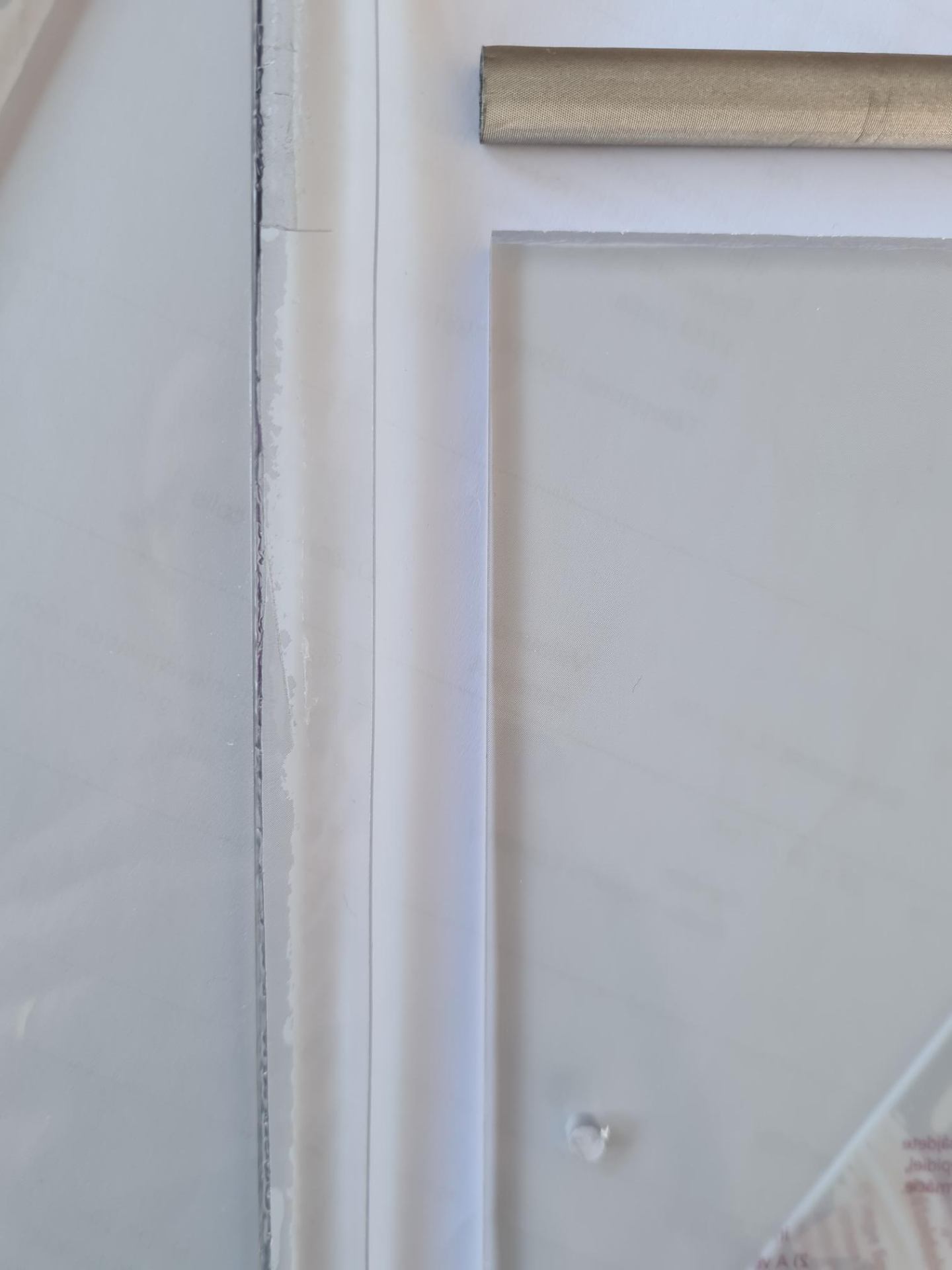
01 — What is the problem?
EMI shielding performance is not only about dB levels — it is also about time. In harsh environments, durability becomes just as critical as shielding effectiveness. Transparent EMI shielding films may be exposed to high humidity, temperature variations, aggressive cleaning agents, mechanical stress, and UV exposure. Over time, these factors can affect adhesion, conductivity, and optical clarity if the material and integration are not properly designed.
02 — Why does it happen?
- High humidity can penetrate poorly sealed edges, causing corrosion of the conductive layer.
- Temperature cycling creates thermal stress between layers with different expansion coefficients.
- Aggressive cleaning agents (solvents, abrasives) can degrade coatings and conductive films.
- Mechanical stress from vibration, handling, or pressure differentials can cause delamination.
- UV exposure degrades adhesive bonds and can oxidize metallic shielding layers over time.
03 — Consequences
- Gradual loss of shielding effectiveness as conductive pathways degrade.
- Visible discoloration, haze, or delamination affecting optical quality.
- Equipment failing EMC compliance after months or years of operation.
- Costly field replacements and maintenance interventions.
- End-user dissatisfaction due to degraded display readability or visual appearance.
04 — Common mistakes
- ✗Validating shielding performance only at initial testing without accelerated aging tests.
- ✗Ignoring the operating environment when selecting the shielding film and integration method.
- ✗Using consumer-grade adhesives or laminates not rated for the target environmental conditions.
- ✗Neglecting edge sealing, leaving conductive layers exposed to moisture and contaminants.
- ✗Specifying cleaning procedures without verifying chemical compatibility with the shielding assembly.
05 — Possible solutions
- ✓Select the substrate (glass, polycarbonate, PET) based on the operating environment — temperature range, UV exposure, and chemical resistance.
- ✓Use clean room lamination with environmentally rated adhesives for consistent, durable bonding.
- ✓Ensure proper edge sealing to prevent moisture ingress and protect conductive layers.
- ✓Maintain grounding continuity at the window perimeter to preserve shielding integrity over time.
- ✓Apply protective treatments such as anti-scratch, anti-glare, or anti-UV coatings as needed.
- ✓Conduct accelerated aging tests (humidity, thermal cycling, UV, salt spray) to validate long-term performance.
- ✓Define clear maintenance and cleaning guidelines compatible with the shielding assembly materials.
06 — Related topics
Need help on a specific case? Reach out directly: