Moiré Effect on EMI Shielded Displays
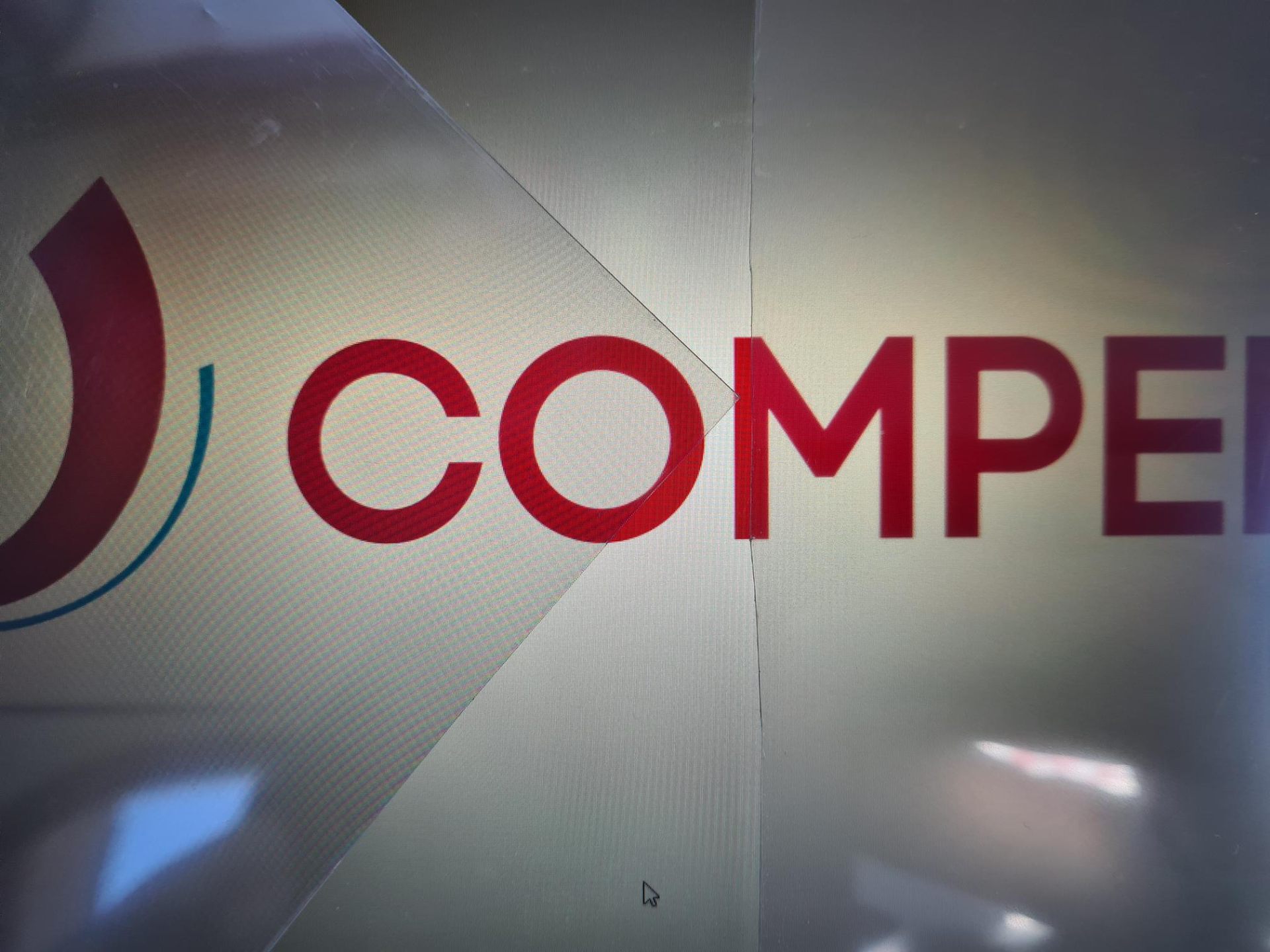
01 — What is the problem?
Adding EMI shielding to a display can introduce an unexpected issue: the Moiré effect. This visual interference occurs when the mesh pattern of a conductive film interacts with the pixel grid of a screen. The result can be visible distortions that compromise readability and user experience. EMI shielding should protect performance — not degrade it.
02 — Why does it happen?
- The regular grid pattern of a metallic mesh film creates a periodic structure that interferes with the pixel grid of the display.
- When two repetitive patterns overlap at certain angles or pitch ratios, they produce visible Moiré fringes.
- Mesh geometry and pitch directly influence the severity of the interference.
- Display pixel density (PPI) determines how sensitively the screen reacts to overlaid patterns.
- Orientation and alignment during lamination can amplify or reduce the effect.
03 — Consequences
- Visible wave-like distortions or color banding across the display area.
- Reduced readability and degraded user experience, especially for text-heavy applications.
- Customer complaints and potential product rejection despite meeting EMC specifications.
- Costly rework if the issue is discovered after assembly or integration.
- Need to replace shielding films or redesign the display assembly.
04 — Common mistakes
- ✗Using regular-pitch mesh films on high-resolution displays without checking for Moiré compatibility.
- ✗Not testing the shielding film on the actual target display before committing to production.
- ✗Assuming that all mesh EMI films behave the same way on all display types.
- ✗Ignoring the lamination angle as a factor in Moiré pattern formation.
- ✗Selecting film based solely on shielding performance without considering optical interaction with the screen.
05 — Possible solutions
- ✓Use irregular (randomized) mesh films specifically designed to break repetitive patterns and eliminate Moiré interference.
- ✓Test candidate shielding films on the actual target display at the design stage.
- ✓Adjust mesh pitch and orientation relative to the pixel grid to minimize interference.
- ✓Consider ITO-based films for high-PPI displays where Moiré risk is critical (at the cost of lower shielding).
- ✓Work with the film supplier to select mesh geometry optimized for the display resolution.
- ✓Validate optical quality under real viewing conditions — not just on test benches.
06 — Related topics
Need help on a specific case? Reach out directly: