EMI Shielding Film Integration
01 — What is the problem?
The performance of an EMI shielding film does not depend only on the film itself. Integration plays a critical role in achieving effective electromagnetic protection. Transparent EMI shielding films can be integrated in two main ways: laminated onto a transparent substrate, or bonded between two sheets using interlayers such as EVA or PVB. Even a high-performance film can underperform if integration is not properly designed.
02 — Why does it happen?
- Lamination requires clean room conditions — dust or contaminants compromise optical quality and adhesion.
- Autoclave bonding with EVA or PVB interlayers demands precise temperature and pressure control.
- Electrical continuity between the conductive film and the enclosure frame is often overlooked.
- Edge treatment is critical: exposed edges create EMI leakage paths if not properly sealed.
- Grounding design must be planned from the start — retrofitting is costly and often ineffective.
03 — Consequences
- Shielding effectiveness far below the film's rated performance due to integration gaps.
- EMI leakage at the film-to-frame junction, negating the benefit of the shielding window.
- Optical defects (bubbles, haze, delamination) from improper lamination conditions.
- Failed EMC compliance testing despite using a high-performance shielding film.
- Costly redesigns when integration issues are discovered late in the project.
04 — Common mistakes
- ✗Focusing solely on film dB specifications without considering integration method impact.
- ✗Laminating EMI films outside of clean room environments.
- ✗Neglecting electrical continuity between the conductive film layer and the enclosure ground.
- ✗Using standard adhesives or interlayers not rated for EMI shielding assemblies.
- ✗Ignoring edge sealing and gasket requirements at the window perimeter.
05 — Possible solutions
- ✓Choose the integration method (lamination or autoclave) based on size, environment, and performance requirements.
- ✓Always perform film lamination in a certified clean room to ensure optical quality.
- ✓Design grounding paths from the conductive film to the enclosure frame — use conductive tapes, gaskets, or direct contact.
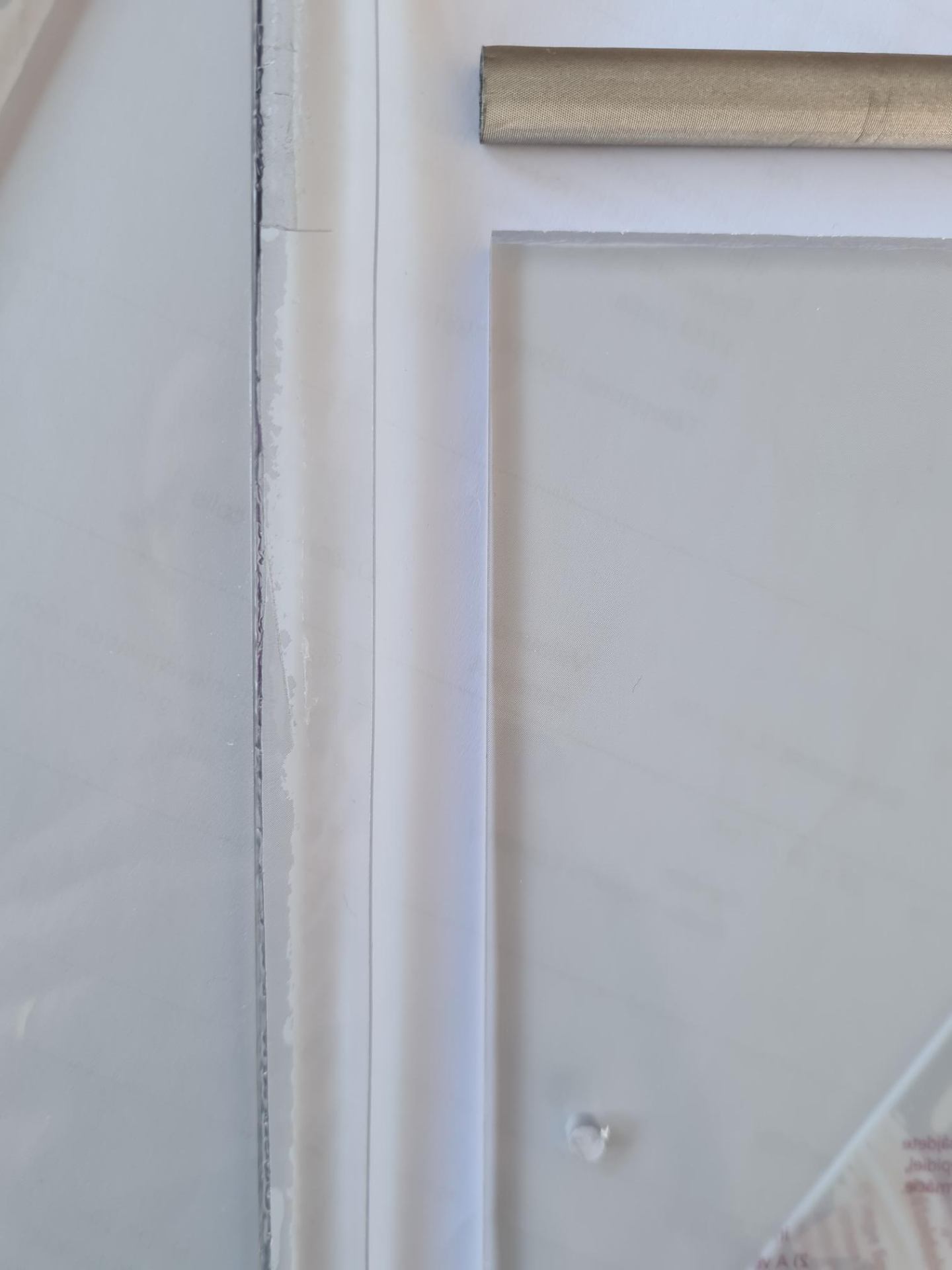
- ✓Use EMI gaskets at the film-to-frame interface to prevent leakage (as shown in the picture!).
- ✓Ensure proper edge treatment: sealed edges prevent moisture ingress and maintain conductivity.
- ✓Validate the complete assembly (film + substrate + gasket + frame) for shielding effectiveness, not just the film alone.
- ✓Involve the shielding film supplier in integration design to leverage their process expertise.
06 — Related topics
Need help on a specific case? Reach out directly: